Learn About entrepreneur immigration Explore business immigration attorney in Aventura for experienced representation for corporate and executive immigration needs
Learn About entrepreneur immigration Explore business immigration attorney in Aventura for experienced representation for corporate and executive immigration needs
Blog Article
Complete Immigration Law Guidance for Your New Transition
Maneuvering the complexities of immigration can be daunting for many individuals. Comprehensive immigration law services offer vital support, assisting clients through the intricate processes involved. From learning about various options to preparing residency and citizenship applications, these services play an significant role in achieving immigration goals. However, many still face challenges along the way. What are the most typical obstacles, and how can one effectively overcome them?
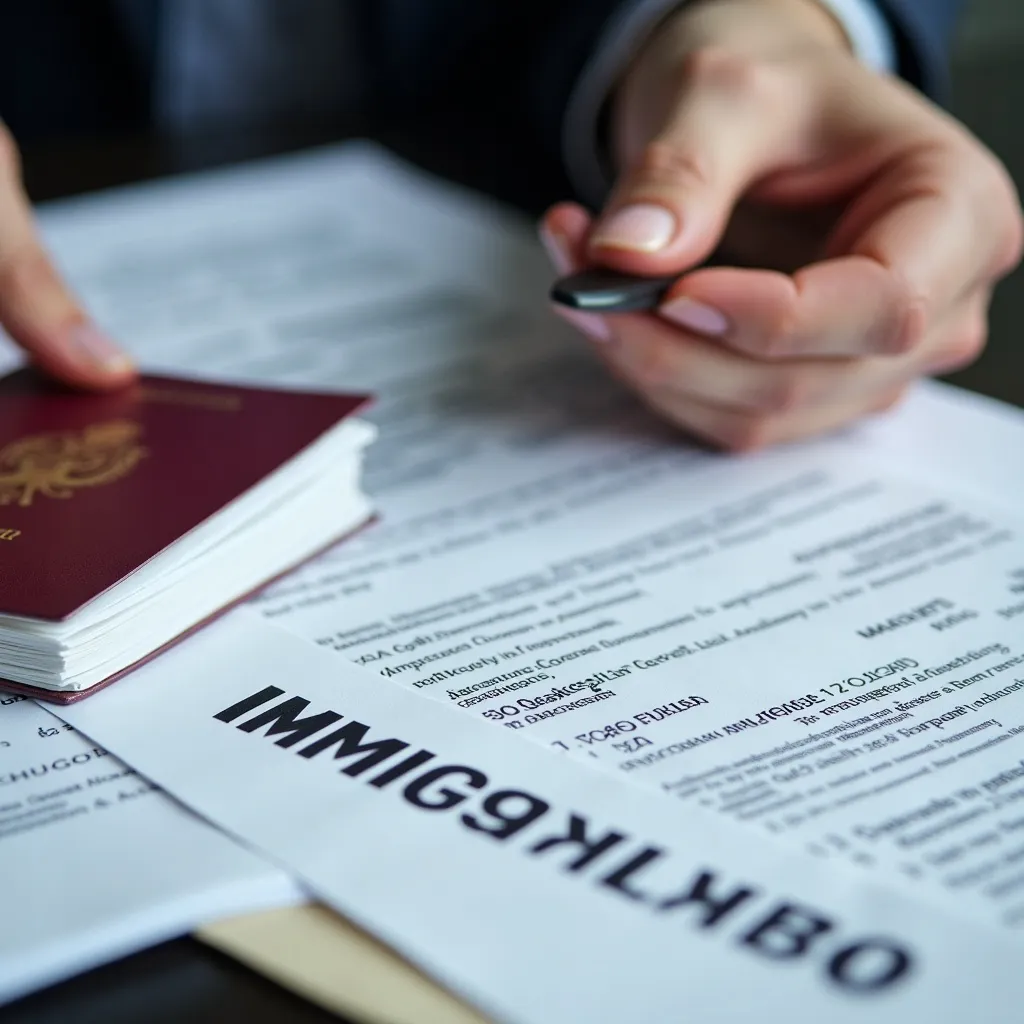
Comprehending Immigration Legal Offerings: What to Expect
What should one expect when obtaining immigration law support? Applicants often anticipate an structured approach that directs them through the intricacies of immigration procedures. Initially, a discussion typically helps identify specific needs and situations. Lawyers assess qualification for various immigration options, ensuring clients obtain customized guidance.
Clients need to expect a comprehensive review of necessary laws and regulations, along with information about likely challenges. The preparation and filing of necessary documents is a key aspect of immigration legal services. Attorneys help with gathering evidence and accurately completing forms, thereby reducing the risk of delays or denials.
Additionally, prompt dialogue is essential; clients should anticipate frequent communications regarding their case status. Ultimately, efficient immigration legal support strive to simplify the journey, offering clarity and support throughout the often difficult process of immigration.
Important Classification Varieties and Specifications for New Arrivals
Crossing the landscape of immigration can be difficult, particularly when identifying the critical types and prerequisites for newcomers. Common categories encompass family-based, employment-based, student, and refugee . Each type has specific qualification standards and documentation requirements.
Family-sponsored permits demand proof of the connection with a U.S. citizen or copyright, while employment-based demand a job offer and labor certification from an employer. Student permits necessitate admission from a recognized educational institution and evidence of financial support.
Moreover, refugee are accessible for individuals fleeing persecution, demanding thorough documentation to demonstrate eligibility. Candidates must also be aware of application fees, wait periods, and likely meetings. Mastering these types and their specifications is important for newcomers to secure a smoother transition into their new lives. Proper preparation can substantially improve the probability of a successful application.
Locating the Correct Immigration Attorney for Your Needs
Determining the right immigration attorney necessitates careful consideration of numerous important aspects. Analyzing their experience and expertise, recognizing the expenses concerned, and inspecting their communication style are important measures useful information in this process. A thoughtful selection can materially shape the outcome of an immigration case.
Reviewing Track Record And Specialized Knowledge
Finding the right immigration lawyer can greatly influence the result of a case, making it crucial to examine their background and skill carefully. Those seeking a lawyer should take into account the lawyer’s background in immigration law, paying attention to the number of cases managed and specific areas of knowledge, such as family-based or employment-based immigration. Analyzing their success rate in analogous cases can offer insight into their competence. Additionally, reviewing client testimonials and seeking recommendations can help determine their credibility. Verifying any professional affiliations or certifications is also advantageous, as these often show a dedication to staying current on immigration laws. In the end, a comprehensive evaluation ensures that individuals choose a lawyer able to navigate their specific immigration challenges competently.
Learning About Attorney Costs
Knowing lawyer fees is a fundamental step for anyone looking for immigration law services. Clients should be conscious that fees can fluctuate considerably based on elements such as the lawyer's experience, the complexity of the case, and geographic location. Many immigration lawyers offer flat fees for specific services, whereas others may charge hourly rates. It is essential for clients to request a clear breakdown of costs and any possible additional charges. Transparency in pricing helps prevent unexpected financial burdens. Moreover, clients should ask about payment plans or sliding scale fees, which can help make legal services more accessible. Ultimately, understanding these financial matters can empower clients to make informed decisions when selecting an immigration attorney.

Evaluating How People Express Themselves
Effective interaction is an important component when determining an immigration lawyer. A lawyer's talent to communicate sophisticated legal information in a simple and lucid manner can significantly affect a client's encounter. Potential clients should review how available the lawyer is to inquiries and whether they can articulate information in a way that corresponds to the client's expectations. During preliminary meetings, clients should observe the lawyer's attentiveness and willingness to address concerns. Effective lawyers not only supply legal advice but also build a supportive setting for candid dialogue. Ultimately, selecting a lawyer whose interaction style connects with the client can result in a more fruitful relationship and enhance the overall immigration process. This harmony guarantees that clients feel supported and informed throughout their journey.
Comprehending the Residency Steps
The process of obtaining residency can be a complex undertaking, as it includes multiple steps and legal requirements that vary by country. Individuals pursuing residency must first determine the appropriate category, which often relies on factors such as employment, family connections, or humanitarian grounds. Collecting the necessary documentation is essential; applicants typically need proof of identity, financial stability, and health insurance, among other items.
Once submitted, applications undergo assessment, which may entail interviews or additional requests. Timelines can vary widely, as some countries quicken processes for certain applicants while others take extended periods due to backlogs or stringent regulations.
Recognizing regional legal requirements is essential, as non-adherence can cause setbacks or refusals. Consulting with immigration legal professionals can offer insight and assist individuals in maneuvering this multifaceted process successfully. Conclusively, preparation and knowledge are crucial factors in accomplishing successful residency outcomes.
Routes to Reach Legal Status
Obtaining citizenship entails a clear set of steps that individuals seeking citizenship must follow. This includes learning about eligibility requirements, guiding through the application submission, and readying for the naturalization hearing. Each portion plays a vital role in managing to achieve citizenship status.
Eligibility Criteria Outlined
Though the journey to naturalization might feel intimidating, knowing the qualification benchmarks is essential for future candidates. To qualify for U.S. citizenship, people must meet several criteria. They must be at least 18 years old, possess lawful permanent residency for a minimum of five years, or three years if in a marriage with a U.S. citizen. Ethical standing is essential, demonstrated through a clean copyright. Additionally, applicants must prove English language proficiency and understanding of U.S. history and government. Continuous residence in the U.S. is required, with absences not exceeding six months during the residency period. By becoming aware of these requirements, applicants can more thoroughly ready themselves for the next steps in their citizenship journey.
Application Process Summary
Understanding the procedural steps is essential for those seeking U.S. citizenship, as each step requires close attention to detail. The journey opens with completing Form N-400, the Application for Naturalization, which prompts applicants to deliver personal information and proof of eligibility. Following submission, applicants must pay the mandatory charges and await a receipt notice. Next, biometrics appointments are scheduled to collect fingerprints and photographs for background checks. After processing, applicants receive a notice regarding their interview, where they must display knowledge of U.S. history and government. Finally, upon approval, applicants take the Oath of Allegiance, solidifying their status as U.S. citizens. Each step is crucial toward achieving the ultimate goal of citizenship.
Getting Prepared for a Naturalization Interview
A thorough readiness for the naturalization interview is essential for applicants seeking to obtain U.S. citizenship. This procedure generally involves several key steps. First, candidates should acquaint themselves with the U.S. government structure, history, and civic responsibilities, as these topics are fundamental to the interview. Rehearsing answers to commonly asked questions can enhance confidence and clarity. Additionally, applicants must compile required documentation, including proof of residency and tax records. It is adble to examine the U.S. Citizenship and Immigration Services (USCIS) materials and think about attending preparatory classes or workshops. Finally, applicants should plan to arrive early on the interview day to account for any unexpected delays, guaranteeing a calm and focused demeanor during the interview.
Overcoming Common Relocation Obstacles
Dealing with the intricacies of immigration can be overwhelming, particularly when facing common challenges such as denials, language barriers, and unfamiliar legal processes. Many individuals experience anxiety during the filing stage, often due to insufficient documentation or misunderstandings regarding legal requirements. Language barriers can worsen these issues, hindering effective communication with immigration officials and legal representatives.
To resolve these challenges, pursuing qualified help is required. Immigration attorneys can furnish tailored guidance, helping applicants recognize their rights and responsibilities. Also, utilizing translation services can verify that language does not prevent progress.
Getting prepared thoroughly for interviews and collecting all required paperwork can significantly reduce the chances of rejection or delay. By addressing these common obstacles proactively, individuals can navigate the immigration terrain more efficiently, creating the path for positive results in their paths toward legal residency or citizenship.
Often Posed Questions
What Costs Come Along With Immigration Law Services?
Expenses connected to immigration law services commonly include consultation fees, registration fees, and extra expenses for document preparation or legal representation. Differences rely on the difficulty level of the matter and the attorney's expertise.
How extended Is the Immigration Process Typically Take?
The immigration process typically takes several years to several months, depending on factors like application type, country of origin, and specific circumstances. Processing times can vary significantly, impacting individuals' plans and expectations throughout the journey.
Are Family Capable to Accompany Me During the Immigration Procedure?
Yes, household relatives can regularly travel with individuals during the process. Specific requirements depends on types and circumstances, but many options enable the participation of husbands or wives, children, or other immediate relatives.
What Happens if My Application Gets Refused?
If a application is denied, the applicant generally gets a letter outlining the reasons. They might have choices to challenge, reapply, or correct issues, depending on the specific circumstances and immigration regulations at play.
Are There Alternatives to Conventional Immigration Pathways?
Pathways beyond standard immigration channels encompass employment-based , investor programs, humanitarian options, and family sponsorship. Each route offers unique requirements and processes, enabling individuals to explore diverse avenues for legal residency and citizenship.
Report this page